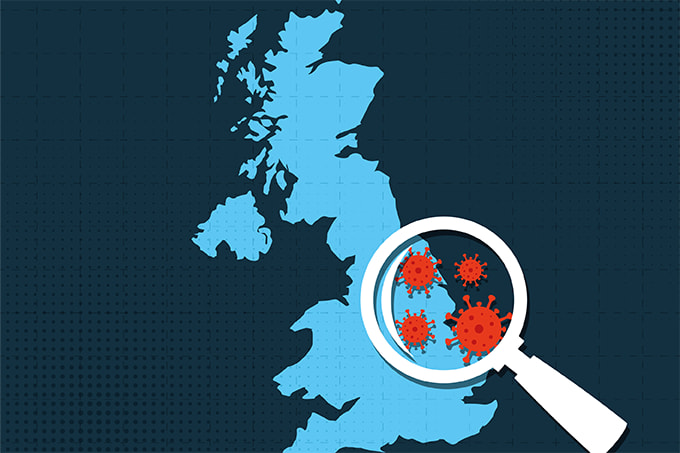
Clinical Report: The Map of Infection Is Changing
Overview
Vector-borne viruses are increasingly detected outside traditional endemic regions, posing significant diagnostic challenges for laboratories.
Background
The emergence of vector-borne viral infections in non-endemic areas creates a need for enhanced diagnostic capabilities in laboratories. As climate change alters the geographic distribution and seasonality of these diseases, traditional diagnostic approaches may become inadequate.
Data Highlights
No numerical or trial data was provided in the source material.
Key Findings
- Laboratories face challenges in detecting pathogens that may not be locally relevant, leading to potential misdiagnosis.
- Climate change is expanding the geographic range of vector-borne diseases.
- Current diagnostic approaches may miss emerging pathogens if they rely solely on targeted assays.
- Extreme weather events influence disease transmission and severity.
- A One Health approach is essential for integrating data from human, vector, and environmental sources.
Clinical Implications
Laboratories must adapt their diagnostic strategies to account for the changing landscape of vector-borne diseases. This includes employing broader testing approaches and integrating environmental and epidemiological data to enhance diagnostic accuracy.
Conclusion
The evolving epidemiology of vector-borne infections requires laboratories to adapt.
Related Resources & Content
- WHO guidelines for clinical management of arboviral diseases: dengue, chikungunya, Zika and yellow fever
- Public health guidance for assessing and mitigating the risk of locally-acquired Aedes-borne viral diseases in the EU/EEA
- Infection — Correction to: Infection prevention and control measures for multidrug-resistant organisms: a systematic review and network meta-analysis
- The Journal of Infectious Diseases — Modeling the Impact of Case Finding for Tuberculosis: The Role of Infection Dynamics
- The Journal of Infectious Diseases — Revisiting Immunotherapy Approaches for Infectious Diseases
- Open Forum Infectious Diseases — Erratum: Prolonged Infection Risk in Patients with Colonization of Antimicrobial-Resistant Pathogens: Findings from a Comprehensive Cohort Study
- WHO guidelines for clinical management of arboviral diseases: dengue, chikungunya, Zika and yellow fever
- Public health guidance for assessing and mitigating the risk of locally-acquired Aedes-borne viral diseases in the EU/EEA
- Daily Mosnodenvir as Dengue Prophylaxis in a Controlled Human Infection Model | New England Journal of Medicine
This content is an AI-generated, fully rewritten summary based on a published scholarly article. It does not reproduce the original text and is not a substitute for the original publication. Readers are encouraged to consult the source for full context, data, and methodology.
Newsletters
Receive the latest pathologist news, personalities, education, and career development – weekly to your inbox.