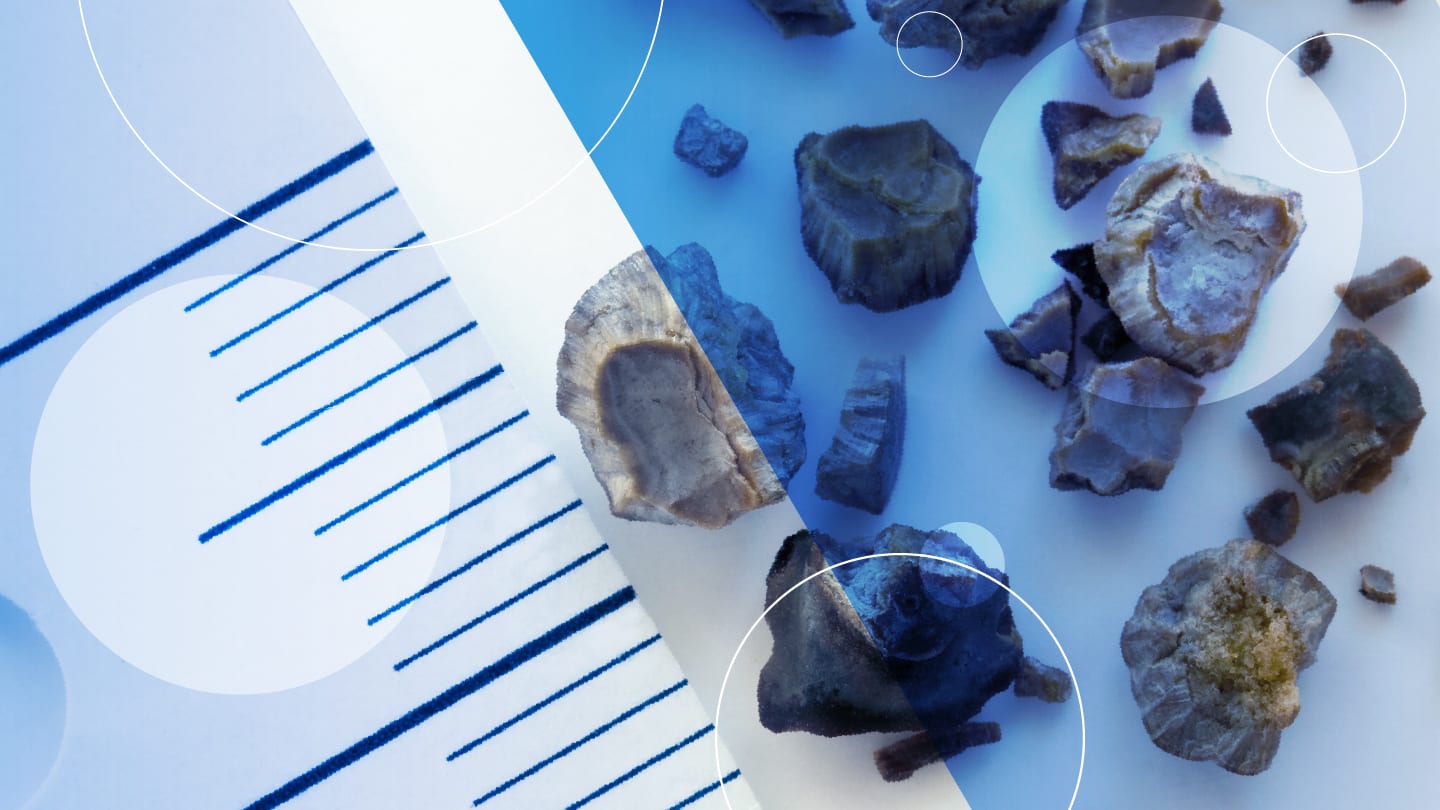
An artificial intelligence (AI) model developed by Mayo Clinic researchers predicted kidney stone composition with 73 percent accuracy, more than doubling the performance of a conventional urine-based calculation, according to research.
The findings, published in Mayo Clinic Proceedings, suggest that AI could provide valuable diagnostic information when a kidney stone is unavailable for direct laboratory analysis, helping clinicians select appropriate treatments and strategies to prevent recurrence.
Kidney stones are common, affecting approximately 1 in 11 Americans during their lifetime. Recurrence is also frequent, making accurate identification of stone composition important for long-term management.
Although direct analysis remains the most reliable way to establish composition, stones are not always recovered after being passed or removed surgically. Clinicians must therefore sometimes estimate their composition using laboratory measurements and other clinical information.
Researchers developed an AI model using data from 13,000 patients who underwent both kidney stone analysis and 24-hour urine testing within 90 days of each other between September 2015 and March 2024.
The model combined patient age, sex, and urinary measurements to predict four stone categories: predominantly calcium oxalate, predominantly calcium phosphate, uric acid, and other compositions.
Its performance was evaluated using an independent dataset of 1,653 patients. The AI model correctly classified 73 percent of stones, compared with 33 percent using urinary supersaturation calculations alone. This difference was statistically significant, and the model maintained superior performance across different age and sex groups.
Urinary supersaturation measures the tendency of dissolved substances to form crystals. Although routinely used to assess stone formation risk, these calculations alone provide limited information about the composition of an existing stone.
By analyzing relationships between multiple laboratory measurements, AI may extract additional diagnostic information from tests already performed in routine care.
The findings demonstrate how existing test data could support more informative reporting without requiring additional specimen collection. However, the researchers emphasize that AI predictions should supplement rather than replace direct stone analysis and established clinical assessments.
Further evaluation of clinical implementation will be needed to establish whether these predictions improve treatment decisions and reduce kidney stone recurrence.
Newsletters
Receive the latest pathologist news, personalities, education, and career development – weekly to your inbox.