Newsletters
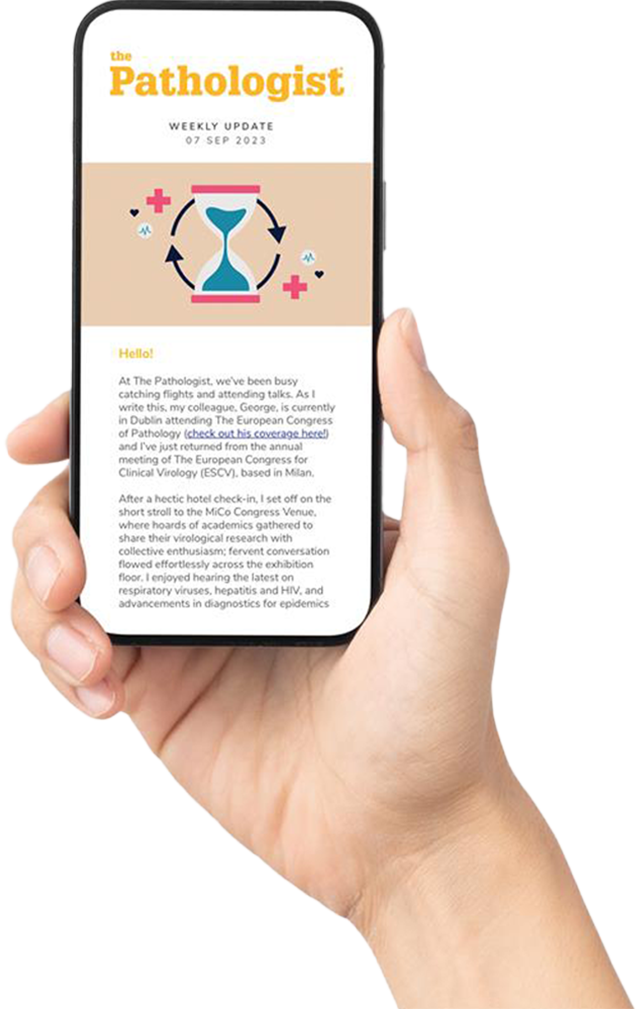
Receive the latest pathologist news, personalities, education, and career development – weekly to your inbox.
False
Receive the latest pathologist news, personalities, education, and career development – weekly to your inbox.
Dive deeper into the world of pathology. Explore the latest articles, case studies, expert insights, and groundbreaking research.

May 31, 2022
3 min read
Guiding the surgeon’s hand from the frozen section room

July 18, 2022
2 min read
How to make good decisions in your pathology career – and enjoy yourself in the process

August 16, 2022
5 min read
Macroscopy assistants and the importance of working with macroscopy

August 31, 2022
6 min read
Your career’s greatest treasures can come from the most unexpected places…
False