The Pathologist
  • Explore Pathology

    Explore

    • Latest
    • Insights
    • Case Studies
    • Opinion & Personal Narratives
    • Research & Innovations
    • Product Profiles

    Featured Topics

    • Molecular Pathology
    • Infectious Disease
    • Digital Pathology

    Issues

    • Latest Issue
    • Archive
  • Subspecialties
    • Oncology
    • Histology
    • Cytology
    • Hematology
    • Endocrinology
    • Neurology
    • Microbiology & Immunology
    • Forensics
    • Pathologists' Assistants
  • Training & Education

    Career Development

    • Professional Development
    • Career Pathways
    • Workforce Trends

    Educational Resources

    • Guidelines & Recommendations
    • App Notes
    • eBooks

    Events

    • Webinars
    • Live Events
  • Events
    • Live Events
    • Webinars
  • Profiles & Community

    People & Profiles

    • Power List
    • Voices in the Community
    • Authors & Contributors
  • Multimedia
    • Video
    • Pathology Captures
Subscribe
Subscribe

False

The Pathologist / Issues / 2020 / Jun / Antibody Analysis for Avian Influenza
Microbiology & Immunology Microbiology and Immunology Analytical science Technology and innovation Point of care testing

Antibody Analysis for Avian Influenza

New device offers a 20-minute test to detect virus antibodies

By Luke Turner 06/25/2020 Quick Read (pre 2022) 1 min read
  • Full Article
  • Summary
  • Poll

Share

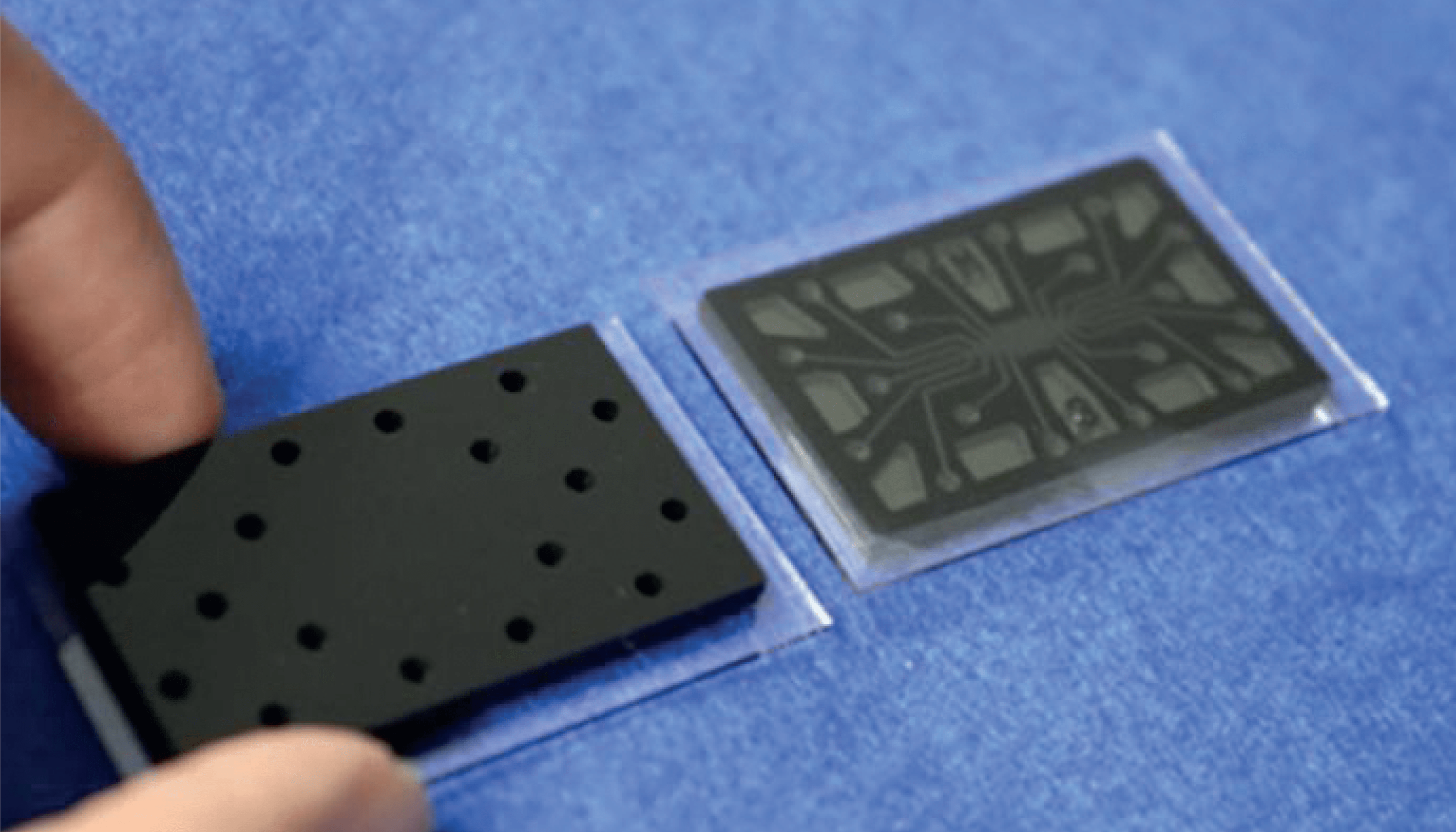
Credit: Keine Nishiyama et al. (1).

A new portable analyzer can detect anti-avian influenza antibodies in blood serum in just 20 minutes (1). The technology, which consists of liquid crystal molecules, an image sensor, and a microfluidic device, rapidly indicates antibody presence and weighs only 5.5 kg. The researchers who conceived it also developed an accompanying fluorescein-labeled protein reagent, which binds only to the anti-H5 avian influenza antibody.

To conduct the test, serum and reagent are mixed for 15 minutes, then injected into the microfluidic device and measured by a portable fluorescence polarization analyzer. Samples containing bound antibodies and reagent create smaller molecular movements, producing a different degree of polarization. Could the test also be used against COVID-19? “By reproducing fragments of spike proteins expressed in the novel coronavirus to use as the reagent, the analyzer should be able to detect anti-coronavirus antibodies,” said Hokkaido University’s Manabu Tokeshi (2).

Newsletters

Receive the latest pathologist news, personalities, education, and career development – weekly to your inbox.
Newsletter Signup Image

References

  1. K Nishiyama et al., Sens Actuators B Chem, 316 (2020). PMID: 32322135.
  2. Hokkaido University (2020). Available at: https://bit.ly/3i82hXk.

About the Author(s)

Luke Turner

While completing my undergraduate degree in Biology, I soon discovered that my passion and strength was for writing about science rather than working in the lab. My master’s degree in Science Communication allowed me to develop my science writing skills and I was lucky enough to come to Texere Publishing straight from University. Here I am given the opportunity to write about cutting edge research and engage with leading scientists, while also being part of a fantastic team!

More Articles by Luke Turner

Explore More in Pathology

Dive deeper into the world of pathology. Explore the latest articles, case studies, expert insights, and groundbreaking research.

False

Advertisement

Recommended

False

Affiliations:

Specialties:

Areas of Expertise:

Contributions:

False

The Pathologist
Subscribe

About

  • About Us
  • Work at Conexiant Europe
  • Terms and Conditions
  • Privacy Policy
  • Advertise With Us
  • Contact Us

Copyright © 2026 Texere Publishing Limited (trading as Conexiant), with registered number 08113419 whose registered office is at Booths No. 1, Booths Park, Chelford Road, Knutsford, England, WA16 8GS.