As AI-only biomarker tests begin to hit the market, the urgency for digitally enabled pathology labs increases. But is the digital infrastructure mature enough to support them?
We asked four experts from clinical pathology, digital pathology, and AI development to share their insights on the AI-readiness of labs today. Part two of their discussion reveals what can go wrong when data quality is poor, how to build scalable systems, and why stakeholder collaboration will be the key to digital success.
Read part 1 of the discussion here.
The panelists

Lisa-Jean Clifford, President of Gestalt Diagnostics and President of the Association of Pathology Informatics

Marco Comianos, Head of Commercial Operations, Aira Matrix
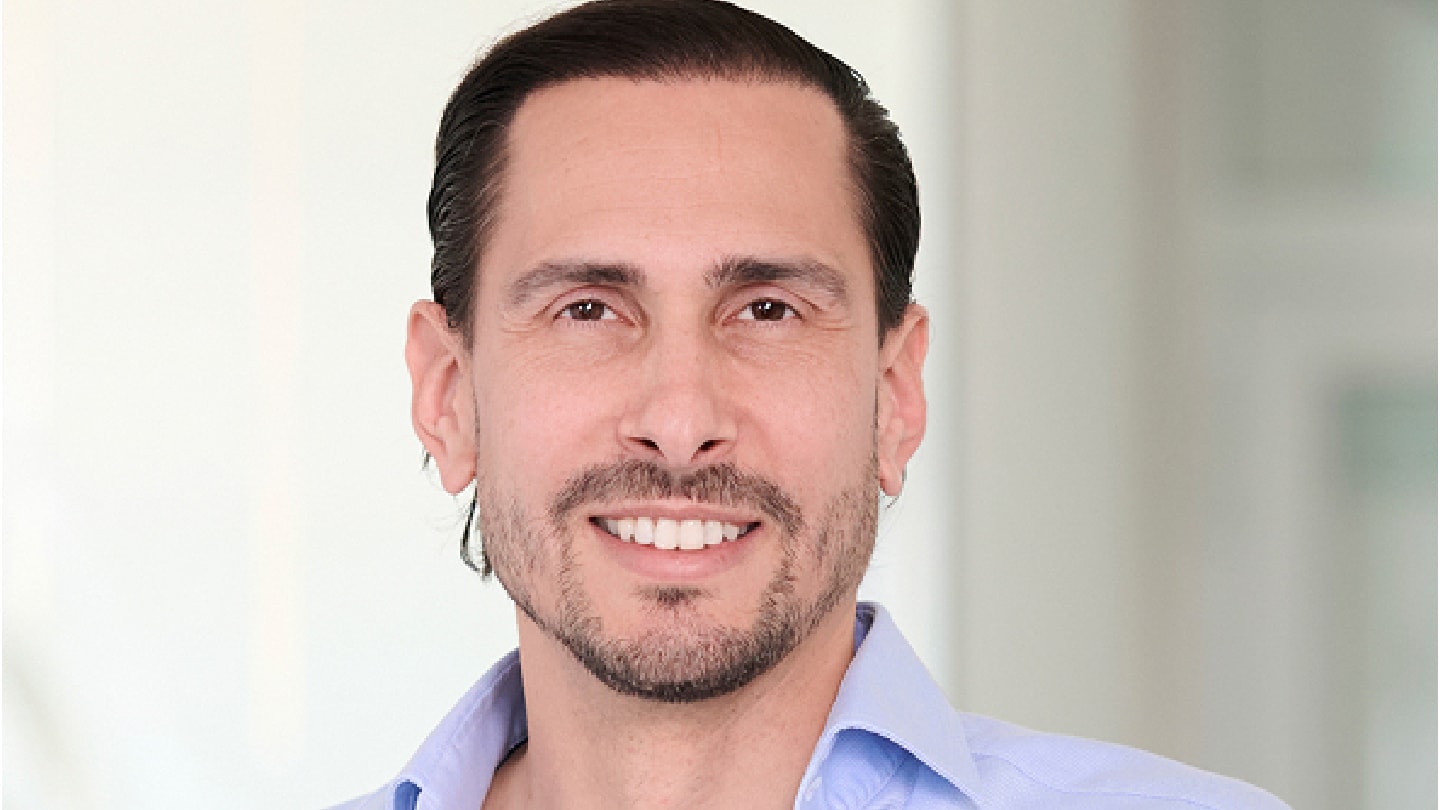
Felix Faber, Founder and CEO, Mindpeak (AI CDx development)

Dylan Miller, Pathologist at Intermountain Central Laboratory
To what extent will AI-powered companion diagnostics become a catalyst for faster adoption of digital pathology and AI?
Felix Faber: I think the potential impact of AI-only biomarkers is still being underestimated. Once an AI-based biomarker becomes necessary to identify patients for a particular therapy, digital pathology will no longer simply be an option – it will become a clinical necessity.
That could change the pace of adoption very quickly. The fundamental building blocks are already in place; what’s missing is the catalyst that makes widespread implementation necessary. Until that happens, change may remain relatively gradual. But once there is a therapy that requires an AI-only companion diagnostic, I think we could see a rapid and potentially disruptive shift.
It’s a chicken-and-egg problem: the infrastructure may not be built at scale until there is a compelling clinical need for it, but once that need arrives, laboratories will have to adapt quickly. I’m optimistic that the industry can make that transition.
Is data quality, rather than algorithm quality, the real bottleneck for successful AI deployment?
Marco Comianos: Data readiness is certainly a bottleneck. There have been a number of studies, including work from Memorial Sloan Kettering, documenting artifacts and errors that can be introduced during digitization across different scanner platforms. There are also artifacts originating in the laboratory itself, and all of these can affect both downstream algorithms and the pathologist’s interpretation.
With a conventional workflow, if something is blurred or otherwise unclear, you can go back to the glass slide. Once image analysis tools are consuming digital data, however, it becomes critical to identify those quality issues before they affect the result.
We see this particularly when reviewing retrospective data. Sometimes tissue that is present on the glass slide is missing from the digital image. Unless someone compares the macro image with the scanned image, that may go unnoticed – and potentially important tissue could be absent from the data the algorithm analyzes.
So the quality and completeness of the digital slide are crucial. Scanner technology will continue to improve and close some of those gaps, but as we move toward more sophisticated image analysis and the identification of new biomarkers, data quality becomes even more important. Any weaknesses in the underlying data will scale along with the AI applications that depend on it.
Felix Faber: We recently saw an example in Germany where differences between laboratories' preanalytic processes contributed to incorrect scoring and, ultimately, inappropriate treatment for a group of patients. The problem was only identified when the oncologist observed that the patients were not responding as expected.
AI faces the same fundamental challenge. An algorithm has to account for – or be appropriately validated against – the variations in staining and preparation that exist from one laboratory to another. Data quality and consistency are therefore critical, regardless of whether the image is being interpreted by a human or an algorithm.
Dylan Miller: Felix’s example illustrates the “different in, different out” principle very well. It applies equally to human interpretation and AI: if the quality of the underlying specimen or image is poor, the reliability of the interpretation will suffer.
Understanding and improving those upstream factors will therefore be essential as we integrate AI more broadly into pathology.
Lisa-Jean Clifford: I agree with what everyone has said. Larger, more diverse datasets that capture variation in slide preparation and image output can certainly improve an algorithm’s ability to perform across different environments, although achieving that level of diversity isn’t always practical.
There is also considerable variation in how AI vendors develop and train their algorithms. That brings us back to the importance of transparency: laboratories need to understand what data an algorithm was trained on and how representative those data are of their own environment before putting the tool into clinical use.
What does a sustainable AI-enabled pathology ecosystem look like?
Marco Comianos: Pilots are a valuable way to test AI against your own data and workflow, and integrated pilots are particularly useful because they allow you to see how a solution performs in the environment where it will actually be used. They also provide an opportunity to identify problems early and work with the vendor on adjustments where necessary.
But technical performance is only part of the equation. Without reimbursement for digital pathology and many AI applications, organizations have to demonstrate the value these tools provide. That means working with vendors to identify and quantify the value proposition and determine whether the economics make sense for the organization.
It’s also important to involve IT and all the other stakeholders who will use, deploy, or support the solution from the beginning. They may identify considerations that clinicians or other members of the decision-making group might not see.
Ultimately, moving from pilot to production requires understanding not only whether the AI works, but how it fits into the workflow, who will support it, and what measurable value it delivers. Those questions need to be answered before an organization commits to scaling and budgeting for the technology.
Felix Faber: I would also emphasize accuracy, rather than focusing solely on efficiency. Ultimately, what we are trying to do is improve patient outcomes. If incorporating AI into the diagnostic process can improve accuracy, that benefit can have a meaningful impact across a large patient population.
That clinical value needs to be recognized as part of the sustainability equation. If AI can demonstrably improve diagnostic accuracy and patient care, I believe there should be reimbursement mechanisms that reward that value.
Dylan Miller: Bringing an AI tool online is really just the beginning of a much longer journey. Fortunately, laboratories are very experienced with total quality management and evaluating the entire testing process – from the preanalytic and analytic phases through the postanalytic phase. That same framework should be applied to AI, with the laboratory’s quality management team closely involved.
Sustainability means thinking beyond implementation: How will performance be monitored over time? How will you anticipate and respond to downtime, errors, or other problems? What troubleshooting processes and workarounds need to be in place? Those considerations have to be built into the deployment from the outset.
There is also a significant change management component. Everyone affected by these tools needs to understand how and why they are being used. That includes the clinicians who receive our reports – they should understand the role AI is playing and why we are confident in its performance.
The same engagement is needed at the executive level. Hospital and health system leadership needs to understand how AI serves patients and where it can improve quality, create efficiencies, or deliver economies of scale. A sustainable AI ecosystem ultimately requires that broader organizational commitment, not simply a successful technical implementation.
Lisa-Jean Clifford: I would add that the infrastructure has to support performance at scale. As Dr. Miller said, if the technology slows pathologists down, they will be reluctant to use it. A sustainable ecosystem therefore has to demonstrate value not only in the algorithm’s performance and outputs, but in the overall workflow.
Governance is also critical. A multidisciplinary governance committee should be involved in digital pathology and AI deployment decisions because the value often extends beyond the laboratory itself. Hospitals have broader incentives around better patient outcomes, greater diagnostic accuracy, and faster diagnoses, and there may be funding available from other parts of the organization to support those goals.
Ultimately, sustainability means demonstrating value on several levels: clinical performance, workflow efficiency, pathologist job satisfaction, and patient safety. When those benefits are considered collectively, there is a much stronger case for adopting AI at scale.
Who is responsible for closing the infrastructure gaps in digital pathology deployment?
Lisa-Jean Clifford: Closing the infrastructure gaps is a shared responsibility between vendors and their customers. It requires making sure the right foundation is in place, then being willing to adjust or pivot as needs emerge.
Two years ago, virtually every digital pathology and IMS vendor was grappling with challenges around scalability and performance. The industry has made tremendous progress on those issues, but it was a collective learning process as systems were deployed at greater scale and across multiple locations.
That same collaborative approach is what will move us forward. Vendors and laboratories need to work together, understand where the technology stands and what infrastructure is required, and maintain open communication and strong support as these systems continue to evolve.
Felix Faber: Ultimately, more funding needs to come into the system because infrastructure gaps cannot be closed without investment. With sufficient funding, however, I think those gaps could be addressed relatively quickly – potentially within the next one to two years.
I’m optimistic because the fundamental components are already there. The challenge now is connecting those pieces in the right way and putting the necessary infrastructure around them. That will take investment and effort, but I don’t see it as an insurmountable problem.
Marco Comianos: I agree that closing these gaps requires a collective, collaborative approach across the industry. We’re still in the early-adopter phase, so it’s natural that we’re encountering some of these challenges as the technology and infrastructure mature.
As adoption grows, we’ll become better able to demonstrate the efficiencies and quantify the value that AI and digital pathology can deliver. I think reimbursement will follow that evidence, creating a stronger case for organizations to invest in the necessary infrastructure.
Ultimately, the value has to be demonstrated on both fronts: better healthcare and a sustainable economic model. If we can show both, the rationale for broader adoption becomes much stronger.
Dylan Miller: This one is easy, because it’s not me! At least in my role, my influence over infrastructure and investment decisions is fairly limited. But it is still incumbent on pathologists to advocate for these technologies. Progress doesn’t happen on its own; it requires momentum, and pathologists have an important role in creating that momentum.
Ultimately, that advocacy should be centered on the patient. The reason to close these infrastructure gaps is to enable better diagnoses, greater consistency, and ultimately better patient care. The patient should remain at the center of every decision we make about digital pathology and AI.
Newsletters
Receive the latest pathologist news, personalities, education, and career development – weekly to your inbox.