Conexiant
Login
  • The Analytical Scientist
  • The Cannabis Scientist
  • The Medicine Maker
  • The Ophthalmologist
  • The Pathologist
  • The Traditional Scientist
The Pathologist
  • Explore Pathology

    Explore

    • Latest
    • Insights
    • Case Studies
    • Opinion & Personal Narratives
    • Research & Innovations
    • Product Profiles

    Featured Topics

    • Molecular Pathology
    • Infectious Disease
    • Digital Pathology

    Issues

    • Latest Issue
    • Archive
  • Subspecialties
    • Oncology
    • Histology
    • Cytology
    • Hematology
    • Endocrinology
    • Neurology
    • Microbiology & Immunology
    • Forensics
    • Pathologists' Assistants
  • Training & Education

    Career Development

    • Professional Development
    • Career Pathways
    • Workforce Trends

    Educational Resources

    • Guidelines & Recommendations
    • App Notes
    • eBooks

    Events

    • Webinars
    • Live Events
  • Events
    • Live Events
    • Webinars
  • Profiles & Community

    People & Profiles

    • Power List
    • Voices in the Community
    • Authors & Contributors
  • Multimedia
    • Video
    • Pathology Captures
Subscribe
Subscribe

False

The Pathologist / Issues / 2026 / March / What Medieval Bones Reveal
Forensics Infectious Disease Insights

What Medieval Bones Reveal

Tuberculosis and leprosy left skeletal traces – but not distinct burial patterns

03/27/2026 News 2 min read

Share

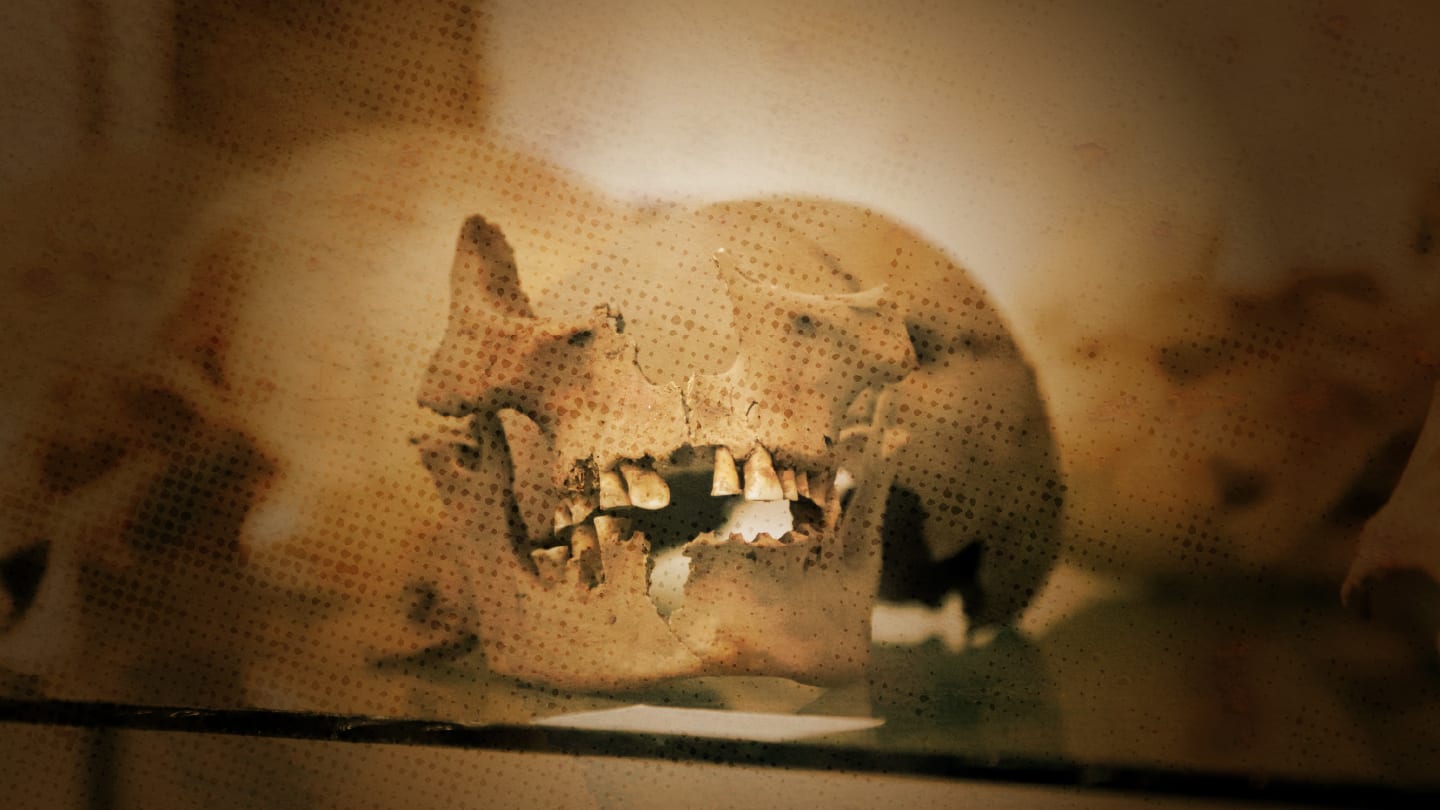
Credit: Adobe Stock (Edited)

An osteoarchaeological analysis of medieval Danish cemeteries suggests that burial location was more closely associated with social status than with evidence of infectious disease. The study examined 939 adult skeletons from three urban and two rural sites dating from approximately 1050 to 1536 AD.

Researchers assessed skeletal evidence of leprosy and tuberculosis using established diagnostic criteria based on characteristic bone lesions. A probabilistic approach incorporating sensitivity and specificity of lesion types was used to classify individuals as disease-positive or negative.

Spatial distribution analysis did not identify consistent clustering of individuals with skeletal evidence of either disease. Diseased and non-diseased individuals were distributed across cemeteries without clear segregation, indicating no systematic separation in burial placement based on disease status.

Disease-specific patterns were observed. Individuals with skeletal evidence of leprosy were largely absent from urban parish cemeteries, consistent with historical use of leprosy hospitals for care and burial of affected individuals.

In contrast, tuberculosis was identified across both urban and rural populations, with no evidence of differential burial treatment. Individuals with skeletal signs of tuberculosis were buried alongside others within standard cemetery contexts.

Survival analysis showed no significant difference in mortality between individuals with and without leprosy. However, individuals with skeletal evidence of tuberculosis demonstrated longer survivorship than those without lesions. This likely reflects the chronic progression of tuberculosis and the requirement for prolonged survival for skeletal manifestations to develop.

Burial location correlated more strongly with inferred social status. Higher-status individuals were more frequently buried closer to church structures, consistent with established medieval Christian burial practices.

Overall, the study indicates that infectious disease status alone did not determine burial practices in these populations. Instead, social and institutional factors appear to have had a greater influence, while skeletal evidence provides insight into disease burden and survivorship rather than differential treatment in death.

Newsletters

Receive the latest pathologist news, personalities, education, and career development – weekly to your inbox.

Newsletter Signup Image

Explore More in Pathology

Dive deeper into the world of pathology. Explore the latest articles, case studies, expert insights, and groundbreaking research.

False

Advertisement

Recommended

False

Related Content

The Viral Frontier
Infectious Disease
The Viral Frontier

January 23, 2024

1 min read

The latest on the UK COVID-19 inquiry

What’s New in Infectious Disease? (December 2021)
Infectious Disease
What’s New in Infectious Disease?

December 23, 2021

1 min read

The latest research and news on COVID-19 and the infectious disease landscape

Immunology Insights
Infectious Disease
Immunology Insights

January 13, 2022

1 min read

The latest research in pathology and laboratory medicine

Pneumocystis Mysteries
Infectious Disease
Pneumocystis Mysteries

January 21, 2022

1 min read

What is the correct name for this pneumonia-causing pathogen?

False

The Pathologist
Subscribe

About

  • About Us
  • Work at Conexiant Europe
  • Terms and Conditions
  • Privacy Policy
  • Advertise With Us
  • Contact Us

Copyright © 2026 Texere Publishing Limited (trading as Conexiant), with registered number 08113419 whose registered office is at Booths No. 1, Booths Park, Chelford Road, Knutsford, England, WA16 8GS.