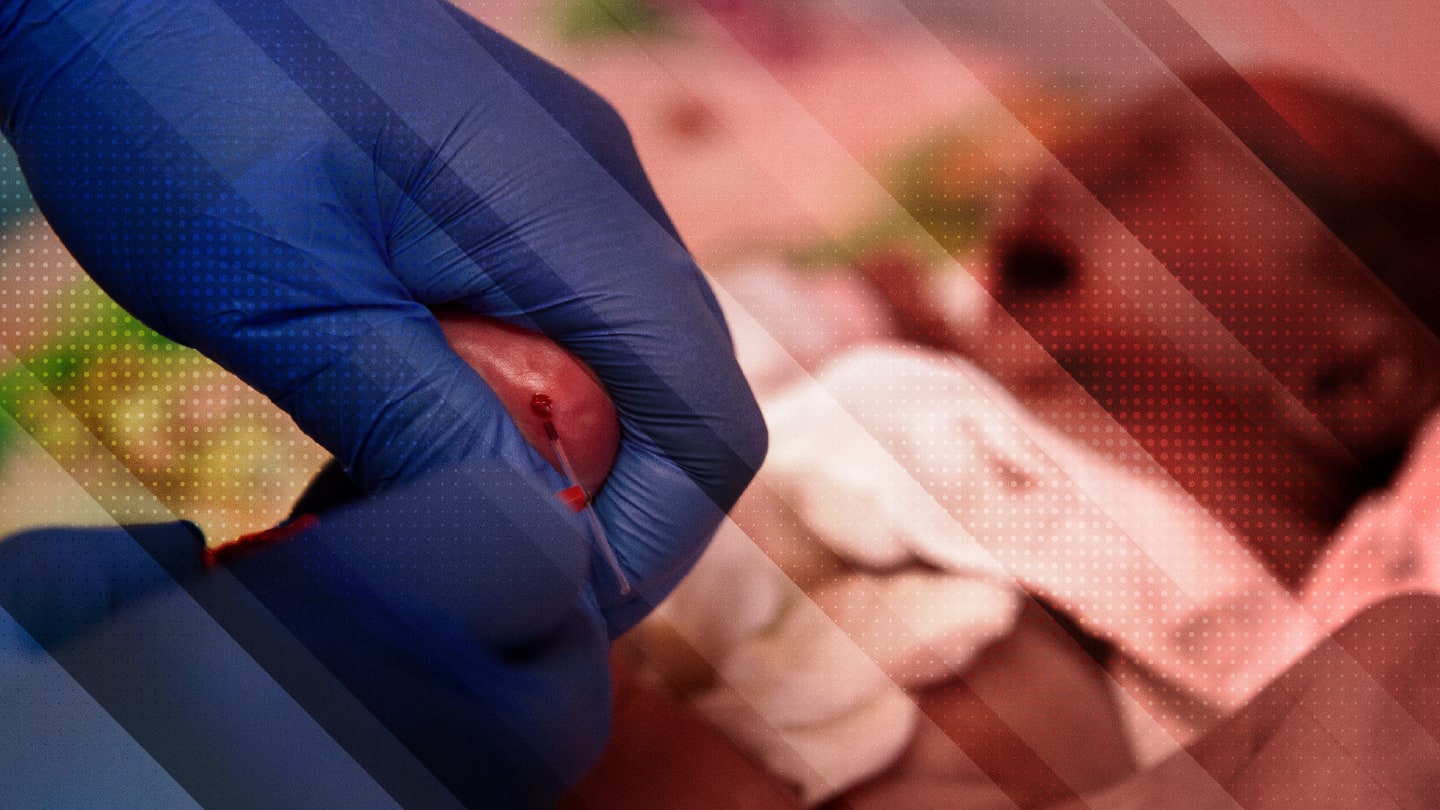
Next-generation sequencing is increasingly able to complement – and in some cases extend – traditional newborn screening by identifying serious, treatable genetic conditions that biochemical tests can miss, according to a new comprehensive review of genomic newborn screening (gNBS).
Newborn screening has long relied on biochemical assays performed on dried blood spots to detect metabolic and endocrine disorders shortly after birth. While this approach has saved countless lives, it is inherently limited to conditions with measurable biochemical markers. The review, published in Pediatric Investigation, describes how next-generation sequencing (NGS) can overcome these gaps by detecting disease-causing genetic variants directly, enabling earlier and more precise identification of a wider range of inherited conditions.
Rather than a wholesale replacement for existing programs, NGS-based screening is positioned as a powerful adjunct. Evidence from pilot programs worldwide shows that genomic screening can identify infants with actionable genetic diseases that are missed by standard screening, including certain immunodeficiencies, hearing loss–associated conditions, and neuromuscular disorders. In several large studies included in the review, genomic screening detected clinically significant cases in newborns who had normal biochemical results.
The authors note that most current programs use targeted gene panels, whole-exome sequencing, or whole-genome sequencing applied to the same dried blood spot samples already collected for routine screening. This compatibility with existing workflows lowers barriers to laboratory adoption, although bioinformatics infrastructure and variant interpretation capacity remain critical requirements.
A central diagnostic challenge highlighted in the review is the interpretation of genetic variants of uncertain significance. Unlike confirmatory diagnostic testing, screening programs must minimize ambiguous results to avoid unnecessary follow-up and parental anxiety. As a result, most gNBS initiatives restrict reporting to well-characterized, childhood-onset conditions with clear evidence of benefit from early intervention.
Turnaround time is another practical consideration. Traditional newborn screening delivers results within days, whereas genomic approaches have historically taken weeks. The review includes rapid sequencing pipelines that can now generate clinically useful results in critically ill infants with a median turnaround of 7 days, suggesting that continued technical advances could narrow this gap for population screening.
Overall, the review concludes that genomic newborn screening is moving from experimental pilots toward structured implementation. For laboratories, the shift signals a future in which biochemical and genomic assays operate side by side – combining speed, breadth, and diagnostic precision to improve early detection of serious genetic disease.
Newsletters
Receive the latest pathologist news, personalities, education, and career development – weekly to your inbox.



