Conexiant
Login
  • The Analytical Scientist
  • The Cannabis Scientist
  • The Medicine Maker
  • The Ophthalmologist
  • The Pathologist
  • The Traditional Scientist
The Pathologist
  • Explore Pathology

    Explore

    • Latest
    • Insights
    • Case Studies
    • Opinion & Personal Narratives
    • Research & Innovations
    • Product Profiles

    Featured Topics

    • Molecular Pathology
    • Infectious Disease
    • Digital Pathology

    Issues

    • Latest Issue
    • Archive
  • Subspecialties
    • Oncology
    • Histology
    • Cytology
    • Hematology
    • Endocrinology
    • Neurology
    • Microbiology & Immunology
    • Forensics
    • Pathologists' Assistants
  • Training & Education

    Career Development

    • Professional Development
    • Career Pathways
    • Workforce Trends

    Educational Resources

    • Guidelines & Recommendations
    • App Notes
    • eBooks

    Events

    • Webinars
    • Live Events
  • Events
    • Live Events
    • Webinars
  • Profiles & Community

    People & Profiles

    • Power List
    • Voices in the Community
    • Authors & Contributors
  • Multimedia
    • Video
    • Pathology Captures
Subscribe
Subscribe

False

The Pathologist / Issues / 2026 / February / Earlier Detection of Organ Rejection
Endocrinology Screening and monitoring Clinical care Liquid biopsy Omics Research and Innovations Molecular Pathology

Earlier Detection of Organ Rejection

CAP review outlines how donor-derived DNA assays can support earlier, less invasive detection of graft injury

02/27/2026 News 1 min read

Share

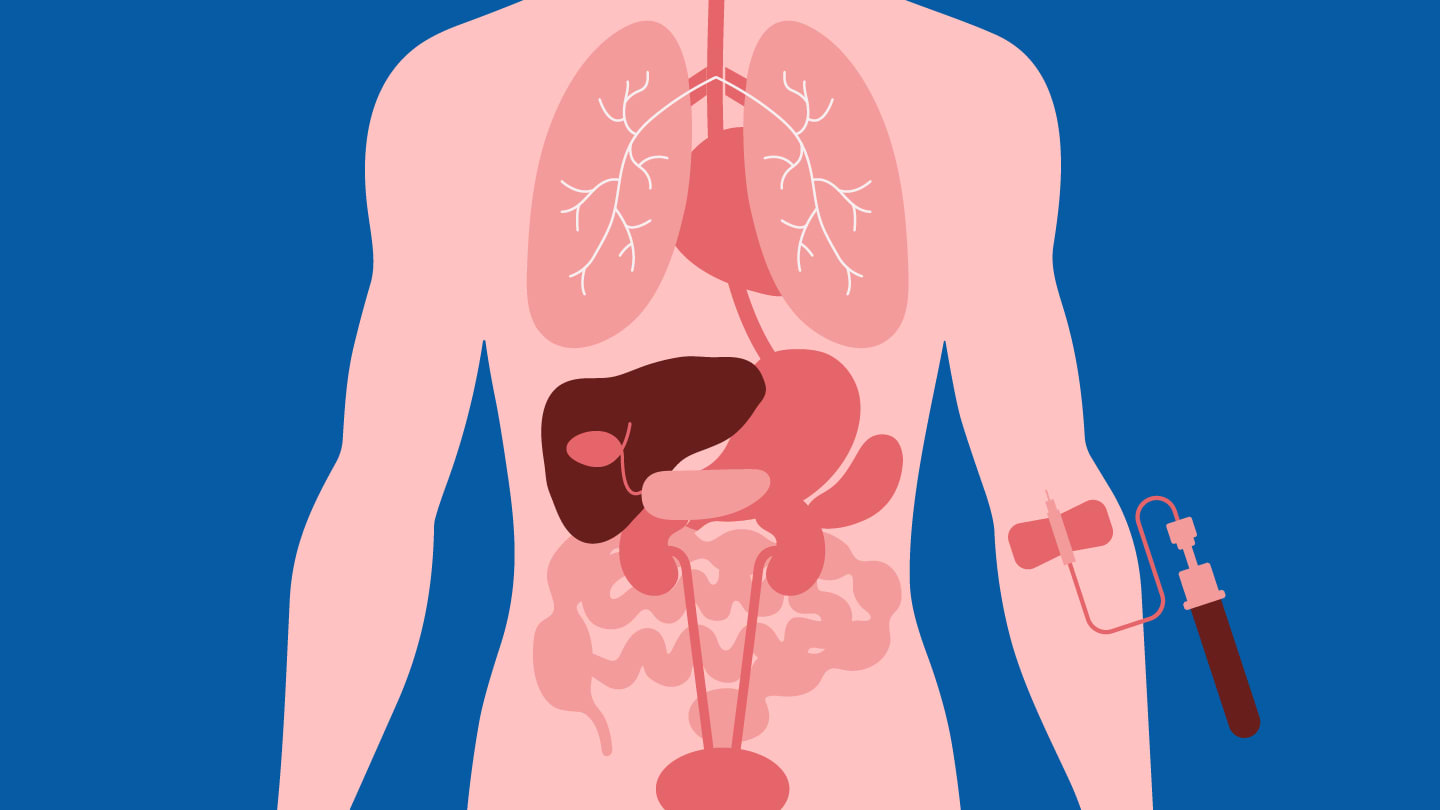
Donor-derived cell-free DNA testing offers a noninvasive and increasingly sensitive way to detect solid organ transplant injury earlier than conventional methods, according to a new review from the College of American Pathologists.

The paper describes how fragments of donor DNA circulate in a recipient’s blood following transplantation and can be quantified as a marker of graft health. Under stable conditions, donor-derived cell-free DNA (dd-cfDNA) levels are low. Rising levels signal graft injury, including acute rejection, often before changes are apparent in serum chemistries or biopsy results.

The review outlines two main analytical approaches: next-generation sequencing and droplet digital PCR. While digital PCR offers rapid turnaround times and high analytical sensitivity, sequencing allows broader genetic assessment but typically requires more complex workflows. Both methods are now available through commercial assays.

Clinical applications are most established in kidney and heart transplantation. In kidney recipients, dd-cfDNA has shown clinical utility in discriminating active rejection from stable graft function and may help reduce unnecessary biopsies. Professional guidance from the American Society of Transplant Surgeons recommends measuring serial dd-cfDNA in cases of graft dysfunction, particularly to assess antibody-mediated rejection. In heart transplantation, dd-cfDNA has been incorporated into surveillance strategies to rule out clinically significant rejection in stable patients beyond the early post-transplant period.

The review also discusses emerging roles in liver and lung transplantation, although data in these settings remain less definitive. 

Overall, the authors conclude that dd-cfDNA represents a paradigm shift in transplant diagnostics, enabling earlier detection of rejection, dynamic monitoring of graft health, and more personalized surveillance strategies. As evidence accumulates and assays become more standardized, molecular monitoring is poised to become an integral component of transplant laboratory medicine.

Newsletters

Receive the latest pathologist news, personalities, education, and career development – weekly to your inbox.

Newsletter Signup Image

Explore More in Pathology

Dive deeper into the world of pathology. Explore the latest articles, case studies, expert insights, and groundbreaking research.

False

Advertisement

Recommended

False

Related Content

Flexible Solutions With FlexVUE
Screening and monitoring
Flexible Solutions With FlexVUE

December 29, 2021

1 min read

Quickly customize your immune panels with Ultivue’s new innovation

What’s New in Infectious Disease? (December 2021)
Screening and monitoring
What’s New in Infectious Disease?

December 23, 2021

1 min read

The latest research and news on COVID-19 and the infectious disease landscape

A Pig In a Poke
Screening and monitoring
A Pig In a Poke

October 21, 2016

1 min read

When importing livestock for food or breeding, European countries may inadvertently open their borders to superbugs as well

Sneaky Superbugs
Screening and monitoring
Sneaky Superbugs

October 21, 2016

1 min read

Norway’s strict LA-MRSA transmission measures prevent the import of almost all live pigs – but the bacteria have found a new way in

False

The Pathologist
Subscribe

About

  • About Us
  • Work at Conexiant Europe
  • Terms and Conditions
  • Privacy Policy
  • Advertise With Us
  • Contact Us

Copyright © 2026 Texere Publishing Limited (trading as Conexiant), with registered number 08113419 whose registered office is at Booths No. 1, Booths Park, Chelford Road, Knutsford, England, WA16 8GS.