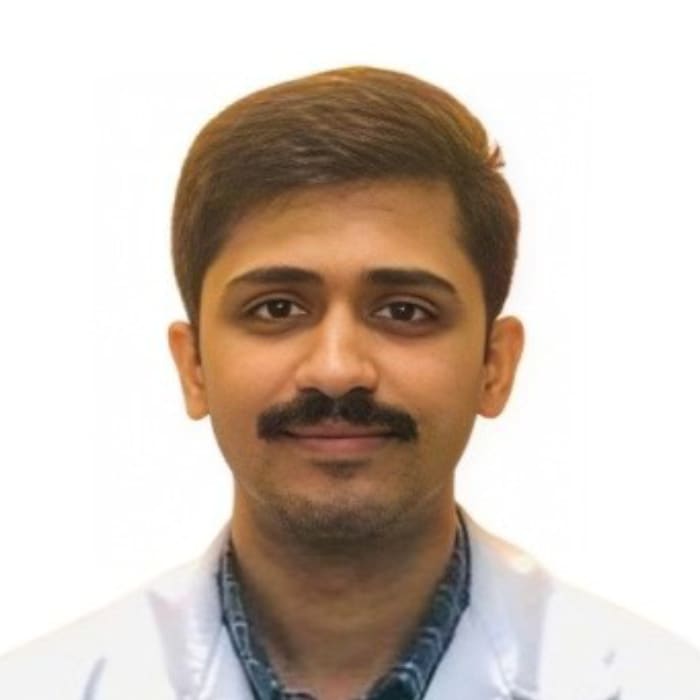
Sharjeel Chaudhry
Head and Neck Pathologist, Director of Cancer Prevention Program, SSWA, Karachi, Pakistan.
False
Head and Neck Pathologist, Director of Cancer Prevention Program, SSWA, Karachi, Pakistan.
What needs to change in the way we work, and what are you doing to drive that change?
For many years, pathology has followed a diagnostic model that was developed when morphology was the primary tool available. Histopathological assessment using hematoxylin and eosin (H&E) staining has traditionally been the cornerstone of diagnosis, while molecular testing has often been treated as an additional investigation rather than an integral part of the diagnostic process. However, this approach is no longer sufficient. Modern WHO classification systems across many organ systems now define numerous diseases based on molecular alterations, making molecular pathology an essential component of diagnosis rather than a supplementary one. Likewise, the most clinically meaningful prognostic and predictive information increasingly comes from integrating tissue morphology, the immune microenvironment, spatial tissue architecture, and molecular alterations into a single diagnostic interpretation.
What needs to change is not simply the adoption of new technologies, but the way pathology is practiced. Instead of a sequential workflow in which morphology is reported first and molecular findings are added later, pathology should move toward a truly integrated morphomolecular diagnostic model where all available data are interpreted together to provide a comprehensive and clinically meaningful diagnosis.
I am contributing to this transformation in three key ways. First, through methodology, I have developed a reproducible algorithm-based framework for the quantitative assessment of tertiary lymphoid structures and lymphoid aggregates using spatial immunophenotyping data. These immune structures are increasingly recognized as important biomarkers of treatment response and patient prognosis, moreover they have often been evaluated subjectively and reported independently of molecular findings. My approach generates standardized quantitative spatial data that can be directly integrated with genomic and transcriptomic information at the individual patient level, allowing a unified interpretation instead of separate morphological and molecular reports.
Second, I actively collaborate with computational biologists and genomics specialists to ensure that spatial pathology and molecular datasets are designed for integration from the beginning of a project. This avoids the common challenge of trying to combine independently generated datasets after analysis has already been completed and enables more robust, clinically relevant interpretation.
Finally, I promote integrated diagnostic practice through both clinical implementation and academic dissemination. My goal is to encourage workflows in which morphological, immunological, and molecular findings are synthesized into a single interpretive report. The success of this approach should not be measured simply by its adoption, but by its reproducibility, diagnostic accuracy, and its ability to improve correlation with patient outcomes.
The future of pathology will not be defined by separate disciplines of morphological and molecular pathology. Instead, it will depend on diagnosticians who are proficient in both and who work within integrated systems that combine morphological, molecular, and computational data from the outset. Contributing to the development of these integrated diagnostic workflows through research, collaboration, and everyday clinical practice is the change I am committed to driving.
Dive deeper into the world of pathology. Explore the latest articles, case studies, expert insights, and groundbreaking research.
Receive the latest pathologist news, personalities, education, and career development – weekly to your inbox.

False