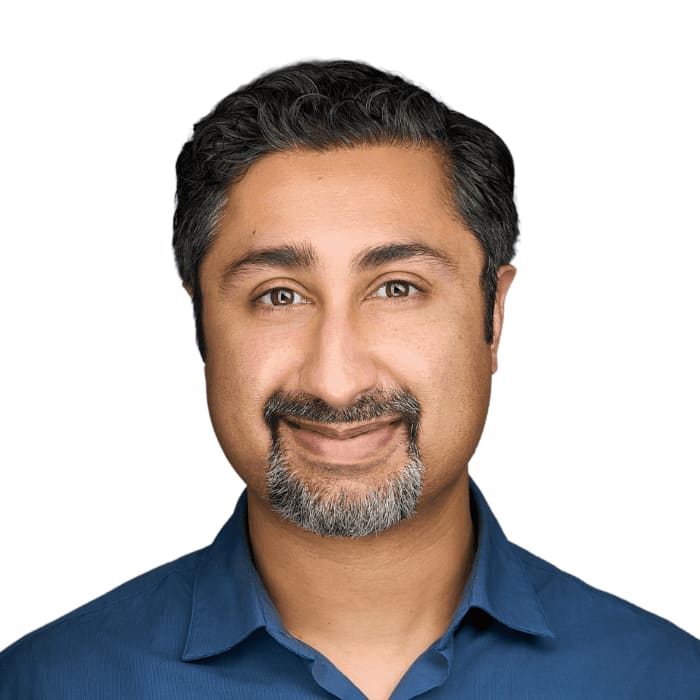
Sajjad Masood Malik
Medical Director of Digital Pathology, HNL Lab Medicine, USA
False
Medical Director of Digital Pathology, HNL Lab Medicine, USA
What’s the biggest challenge facing your specialty right now, and how are you addressing it via leadership?
One of the greatest challenges facing pathology today is the successful adoption of digital pathology across all areas of practice. While advances in digital technology are transforming healthcare, significant technological, operational, and regulatory barriers continue to limit widespread implementation, particularly in cytopathology. As Medical Director of Digital Pathology at HNL Lab Medicine, I have embraced this challenge as an opportunity to advance innovation while ensuring we continue to deliver the highest quality patient care.
Over the past two years, I have led HNL Lab Medicine's transition to digital pathology, successfully implementing a fully digital surgical pathology workflow. This transformation has fundamentally changed how our pathologists work, collaborate, and practice. Digital pathology has streamlined workflows, expanded opportunities for consultation and subspecialty expertise, improved flexibility for physicians, and enhanced job satisfaction. It has also strengthened our ability to recruit and retain talented pathologists in a rapidly evolving workforce environment. Most importantly, it has enabled us to provide high-quality diagnostic services more efficiently for the patients and communities we serve.
Having successfully navigated this transformation, I have turned my focus to what many consider one of the final challenges in digital pathology: cytopathology. While current whole slide imaging technology can successfully capture cytology specimens, the scanning time required, particularly with Z-stacking technology, remains a significant obstacle for high-volume practices. In addition, the regulatory landscape surrounding cytology presents unique challenges that differ from those encountered in surgical pathology.
Addressing these barriers requires more than technical expertise. It requires bringing together people with different perspectives and experiences to solve a problem that no single organization has fully solved. To advance this effort, I have developed collaborative relationships with nationally recognized experts from leading academic medical centers, including the University of Michigan, the University of Pittsburgh, Cleveland Clinic, and Ohio State University. Through these partnerships, we are sharing lessons learned, evaluating emerging technologies, and identifying practical approaches that can move cytology closer to routine digital adoption while maintaining the highest standards of quality and patient safety.
Mentorship is also a key part of my leadership philosophy. As Educational Director, I have helped develop pathology curricula and mentor medical students, residents, fellows, and colleagues who are considering careers in pathology. Digital pathology will play an increasingly important role in our profession, and I believe it is our responsibility to prepare future pathologists to work confidently with these technologies while maintaining the diagnostic skills that remain at the heart of patient care.
This commitment to innovation, education, and patient-centered care was recognized through the Physician Excellence in Clinical Practice Award for the Lehigh Valley Region. While fully digitizing cytopathology remains a challenge, the progress we have made in surgical pathology demonstrates what is possible when innovation, collaboration, and persistence come together. My goal is to help create practical solutions that benefit not only our laboratory but the broader pathology community. If successful, the work we are doing today could provide a roadmap for other laboratories looking to overcome similar barriers and accelerate the adoption of digital pathology.
Dive deeper into the world of pathology. Explore the latest articles, case studies, expert insights, and groundbreaking research.
Receive the latest pathologist news, personalities, education, and career development – weekly to your inbox.
False