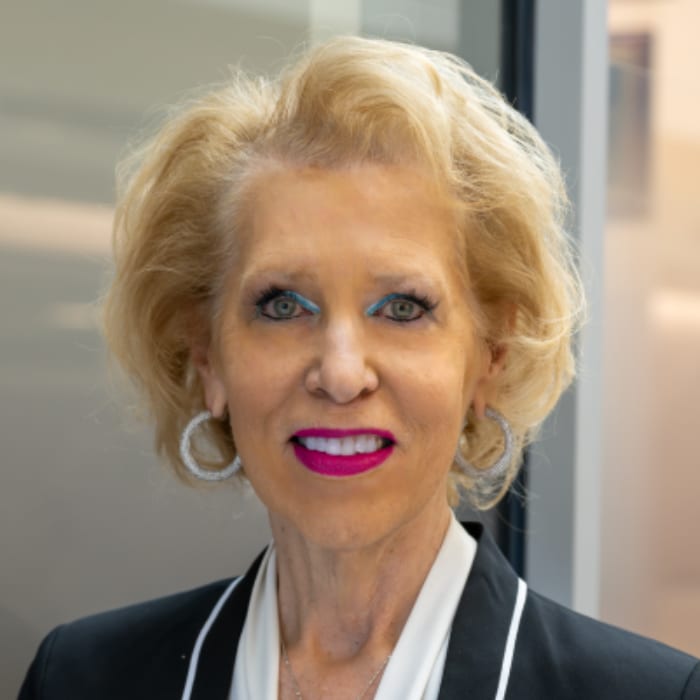
Michele Mitchell
Patient Advocate; ASCP Patient Champion; Digital Pathology Association Patient Advocate; and Patient Advisor, MyPathologyReport, USA
False
Patient Advocate; ASCP Patient Champion; Digital Pathology Association Patient Advocate; and Patient Advisor, MyPathologyReport, USA
What needs to change in the way we work, and what are you doing to drive that change?
"Patients Want to Be Seen, Not Sliced: That Is the Challenge"
When I was diagnosed with invasive ductal carcinoma in 2006, I never saw my report or slides; my oncologist called it no big deal. 11 years later, a pathologist showed me the nuclei that graded my tumor. That conversation launched 15 years of advocacy to make it available to everyone.
Thanks to the 21st Century Cures Act, patients get real-time access to pathology reports, often before their provider reviews them. A review in JAMA Network Open found nearly half of Americans feel healthcare lacks compassion. Research from Vanderbilt, UT Southwestern, and Harvard found over 95 percent want immediate results, even abnormal, and 57 percent search for answers alone within hours. That search leads to AI, which reads clearly and accurately but scores lowest on empathy, an opening for pathologists. Three independent studies show 86 percent of patients, 83 percent of pathologists, and 85 percent of clinicians want that meeting to happen.
As an ASCP Patient Champion, I helped build that structure, working with like-minded pathologists and the ASCP to develop the Pathology Clinics Certification Program, writing chapters on the CURES Act and how to conduct a patient visit, with my own story woven throughout.
Beyond this, I advocate for practical changes: community outreach; clear information about what patients can expect before testing; patient-friendly language within online reports, as demonstrated by Duke Health’s use of Scanslated; pathologist contact details on every report; dedicated messaging channels; and educational fliers and videos. I created the YouTube channel Empowering Patient Engagement and contribute to several platforms to advance this work, but broader support is needed.
Some worry that AI or automated analysers will replace pathologists. I believe pathologists will remain essential if they continue to add distinctive value –for example, by becoming active members of multidisciplinary care teams. That responsibility lies with us, which is why I continue to write, speak, and share lessons with colleagues and patients.
The same principle applies to molecular pathology, where both the clinical stakes and disparities are substantial. CAP Today has reported the underrepresentation of Black patients in genetics clinics at major institutions. When access is restricted, care remains out of reach.
This led me to create two videos with The Pathologist about equity in molecular pathology. Patients cannot advocate for biomarker-directed treatment if they have never been told about the relevant biomarker, nor can they protect their families if potential insurance implications have not been explained.
My challenge to pathologists and laboratory professionals is simple: Get this right. You hold knowledge that can change how patients understand their bodies, their risks, and their futures. Make that knowledge part of the standard of care – not a service available only to the fortunate few.
15 years of work underpin this message: my story, my requests, and the evidence supporting them. I hold no formal power, but I have a voice. I will continue to use it until every patient is seen and every pathologist remembers the life behind the slide.
Dive deeper into the world of pathology. Explore the latest articles, case studies, expert insights, and groundbreaking research.
Receive the latest pathologist news, personalities, education, and career development – weekly to your inbox.
False