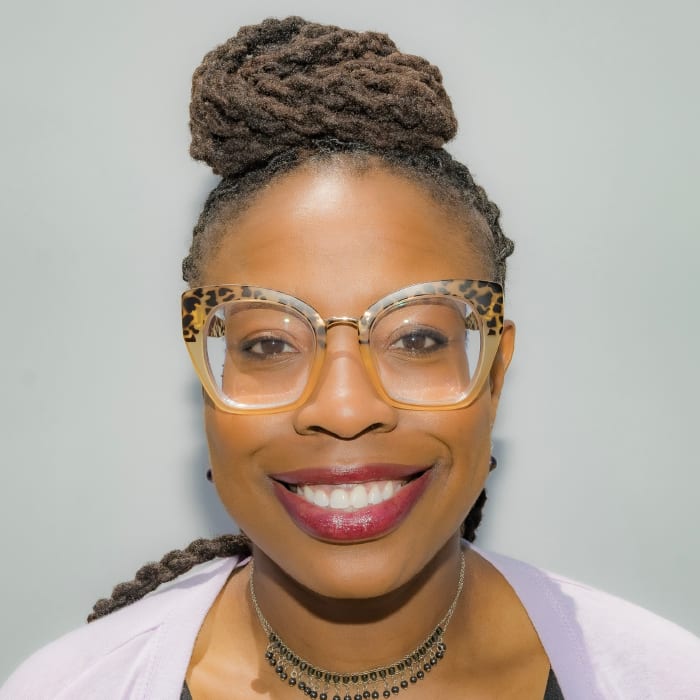
Kenechukwu Ojukwu
Assistant Clinical Professor, UCLA David Geffen School of Medicine Department of Pathology and Laboratory Medicine, Los Angeles, California, USA
False
Assistant Clinical Professor, UCLA David Geffen School of Medicine Department of Pathology and Laboratory Medicine, Los Angeles, California, USA
What gaps in technology/training/processes concern you most, and how are you addressing them via innovation?
One of the most critical gaps in modern pathology is diagnostic communication. We have developed remarkable diagnostic tools, yet our field often remains separated from the clinical teams, patients, and communities who rely on our expertise. The assumption that a pathology report alone is sufficient communication is an outdated process that can leave patients confused, clinicians disconnected, and trainees unequipped to navigate complex conversations.
As an Assistant Clinical Professor of Pathology and Laboratory Medicine at UCLA, a surgical pathologist, health services researcher, and medical educator, my work centers on transforming the stenotype of a surgical pathologist from solely a doctors’ doctor behind a microscope to also include an active, patient facing communicator and interdisciplinary collaborator.
To help bridge the gap between the laboratory and the operating room, my team designed Pathology for Surgeons, a simulation-based curriculum that has brought surgery, radiology, and pathology residents together to learn multidisciplinary cancer care. The curriculum teaches not only the science of pathology, but also the communication and workflows that support better patient care. We have since expanded this framework to create a Youth Edition, including a High School Skin Cancer Simulation that brings immersive, hands-on pathology education into the community.
At the same time, I lead a virtual reality pathology curriculum initiative in collaboration with our simulation center. By combining immersive virtual reality with AI supported qualitative analysis, we are working to expose medical students from all specialties to pathology early in their training, so they better understand diagnostic workflows and the essential role pathologists play in patient care.
Innovation must also extend directly to patients, particularly those served by our safety net health system. My team recently completed a needs assessment and is preparing to launch a patient facing Pathology Clinic pilot. The goal is simple but meaningful: to sit with patients, demystify their diagnoses, and improve health literacy through direct conversations with a pathologist. I am especially grateful that this work has been supported through the NIH Loan Repayment Program, which allows me to continue building a research program focused on diagnostic communication while serving the community that inspired me to pursue medicine.
Finally, I believe meaningful innovation requires structural change. Through Community Engagement Studios, I bring trainees, faculty, patients, and community members together to co-design solutions to health system challenges. These conversations create psychologically safe spaces where trainees receive feedback not only from academic mentors, but also from the communities they hope to serve.
I believe the future of pathology depends on our ability to connect. Through simulation, virtual reality, patient facing clinics, and community partnerships, my goal is to help build a future where pathologists are recognized not only for making diagnoses, but also for communicating them in ways that empower patients, strengthen clinical teams, and improve care.
Dive deeper into the world of pathology. Explore the latest articles, case studies, expert insights, and groundbreaking research.
Receive the latest pathologist news, personalities, education, and career development – weekly to your inbox.
False