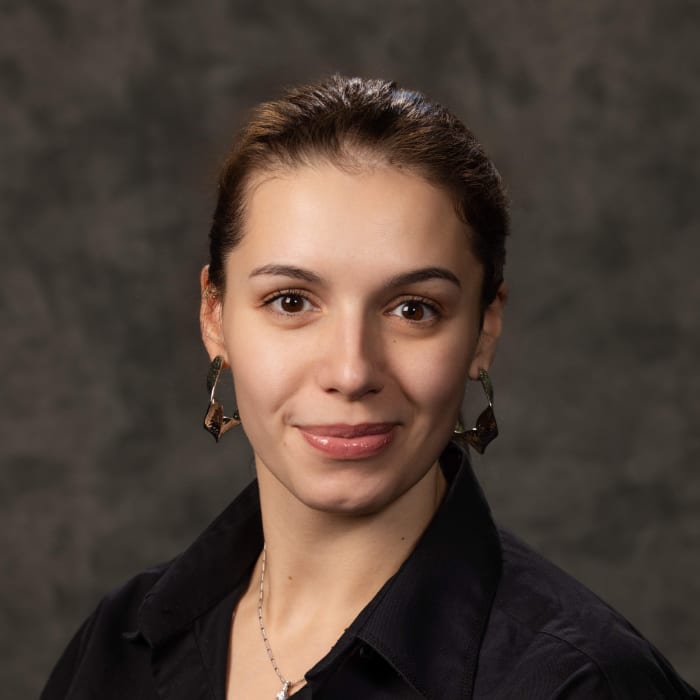
Katerina Kearns
Clinical Assistant Professor, UNC Department of Pathology and Laboratory Medicine; Treasurer and Co-founder, American Society of Russian-Speaking Pathologists, USA.
False
Clinical Assistant Professor, UNC Department of Pathology and Laboratory Medicine; Treasurer and Co-founder, American Society of Russian-Speaking Pathologists, USA.
What needs to change in the way we work, and what are you doing to drive that change?
When I came to the United States to pursue pathology, I quickly realized that finding mentors and building a professional network was much harder than learning the medicine itself. I often wished there was a community where I could ask questions, learn from people who had already gone through the same process, and simply feel like I wasn't figuring everything out alone. Looking back, that experience shaped the way I think about our profession.
Pathology is increasingly global. International medical graduates make up approximately 35-40 percent of practicing pathologists in the United States, yet mentorship and professional development are still often limited to individual institutions. If you are fortunate enough to have great mentors, you thrive. If you are not, it can be difficult to know where to turn.
That experience is what motivated my colleagues and me to create the American Society of Russian-Speaking Pathologists (ASRP). Our goal in mind was to create the kind of community we wished had existed when we were starting our own journeys.
ASRP is still in its first year, but seeing the community begin to take shape has been incredibly rewarding. Since launching our website last month, we have welcomed approximately 20 members, organized three educational webinars with about 40 attendees, and built an active online community with more than 400 Instagram followers, along with engagement on Facebook, LinkedIn, and Telegram. The numbers themselves are modest, but behind each one is a person looking for guidance, connection, or an opportunity to learn.
We are also beginning to build relationships beyond the United States. For example, we are collaborating with pathologists in Kazakhstan to better understand local educational needs and explore opportunities for future knowledge exchange. I hope these partnerships will grow over time because good ideas are not confined by geography, and neither should mentorship.
What excites me most is not how large ASRP may become, but what it represents. Every resident who finds a mentor, every student who gains confidence to apply, and every pathologist who feels less isolated is evidence that the effort is worthwhile. Professional organizations do not have to replace established institutions; they can strengthen our field by making mentorship, education, and collaboration more accessible. If ASRP can make the path a little easier for the next generation than it was for mine, I will consider it a success.
Dive deeper into the world of pathology. Explore the latest articles, case studies, expert insights, and groundbreaking research.
Receive the latest pathologist news, personalities, education, and career development – weekly to your inbox.
False