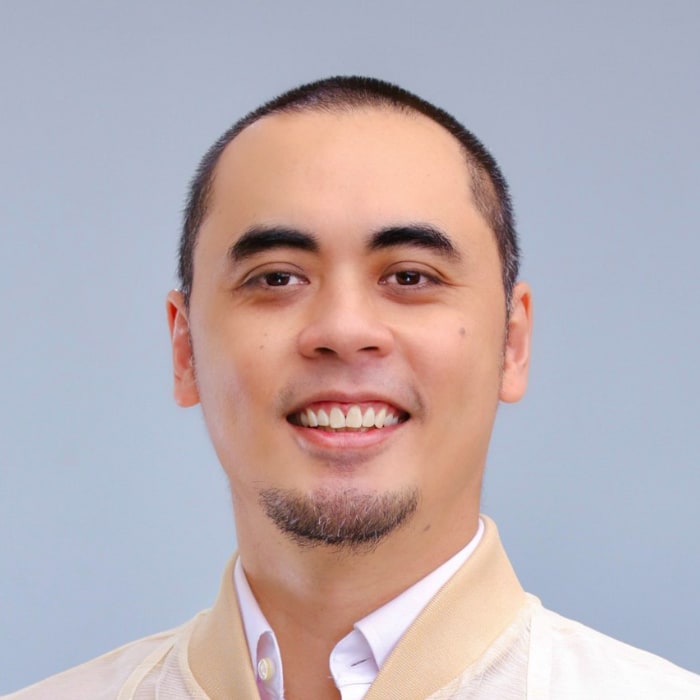
Jeffrey S. So
President, Southeast Asian Urological Pathology Society; President, Philippine Society of Pathologists Inc.; and Associate Professor III, St. Luke’s Medical Center College of Medicine, Philippines
False
President, Southeast Asian Urological Pathology Society; President, Philippine Society of Pathologists Inc.; and Associate Professor III, St. Luke’s Medical Center College of Medicine, Philippines
What’s the biggest challenge facing your specialty right now, and how are you addressing it via leadership?
Anatomic pathology has undergone remarkable advancement in recent years. Tumor classification, prognostication, and therapeutic decision-making increasingly rely on immunohistochemistry and molecular diagnostics. While these tools are standard in high-resource settings, their availability remains limited in low- and middle-income countries such as the Philippines. Financial constraints faced by both patients and institutions restrict access to these essential tests, creating disparities in diagnostic precision and ultimately affecting patient care.
After completing fellowship training in urological pathology at Johns Hopkins Hospital, I felt a strong responsibility to help bridge this gap upon returning home. Rather than focusing solely on introducing advanced technologies that may be inaccessible, I prioritized strengthening foundational diagnostic practice. This included helping colleagues recognize and avoid common diagnostic pitfalls, improving accuracy while reducing unnecessary ancillary testing. In doing so, we could minimize costs while maintaining high diagnostic standards for patients.
Equally important was the dissemination of knowledge. I actively shared what I learned through lectures, teaching activities, and research publications to ensure that pathologists across the Philippines could benefit from subspecialty training. My goal has been to make advances in urological pathology accessible beyond a single institution and to build capacity across the country.
My commitment to advancing the field also extends to global collaborative efforts. I am a member of the editorial team for the WHO Classification of Tumours (Blue Book) on Urological Tumors, contributing to the development of international standards in tumor classification. This role allows me to help shape globally adopted diagnostic criteria while ensuring that perspectives from resource-limited settings are represented in foundational reference works.
Through international lectures, particularly in Southeast Asia, I recognized that many neighboring countries face similar challenges. These interactions allowed me to build relationships with pathologists who shared a commitment to advancing urological pathology in resource-limited environments. Recognizing these shared struggles, I initiated discussions to form a regional platform focused on education, research, and capacity-building tailored to our context.
This effort led to the establishment of the Southeast Asian Urological Pathology Society (SEAUPS) on March 9, 2025, with 16 founding members from the Philippines, Indonesia, Thailand, Malaysia, Vietnam, and Laos. I was honored to be elected its inaugural President. SEAUPS has since grown to nearly 200 members, conducted multiple international webinars featuring leading experts, and received recognition from the Genitourinary Pathology Society. It is also collaborating with the International Society of Urological Pathology on a global webinar addressing challenges in low- and middle-income countries. We are likewise developing an international fellowship consortium with partner institutions in the Philippines, Thailand, and Malaysia to expand access to subspecialty training in the region.
At the national level, I currently serve as President of the Philippine Society of Pathologists. My focus is on strengthening training standards for future pathologists to ensure alignment with global best practices despite resource limitations. I remain committed to advancing education, research, and international collaboration as pillars of professional development.
Ultimately, my leadership approach is grounded in the belief that resource limitations should not define the limits of ambition or excellence.
Dive deeper into the world of pathology. Explore the latest articles, case studies, expert insights, and groundbreaking research.
Receive the latest pathologist news, personalities, education, and career development – weekly to your inbox.
False